
Branching Storylines and the Evil Empire
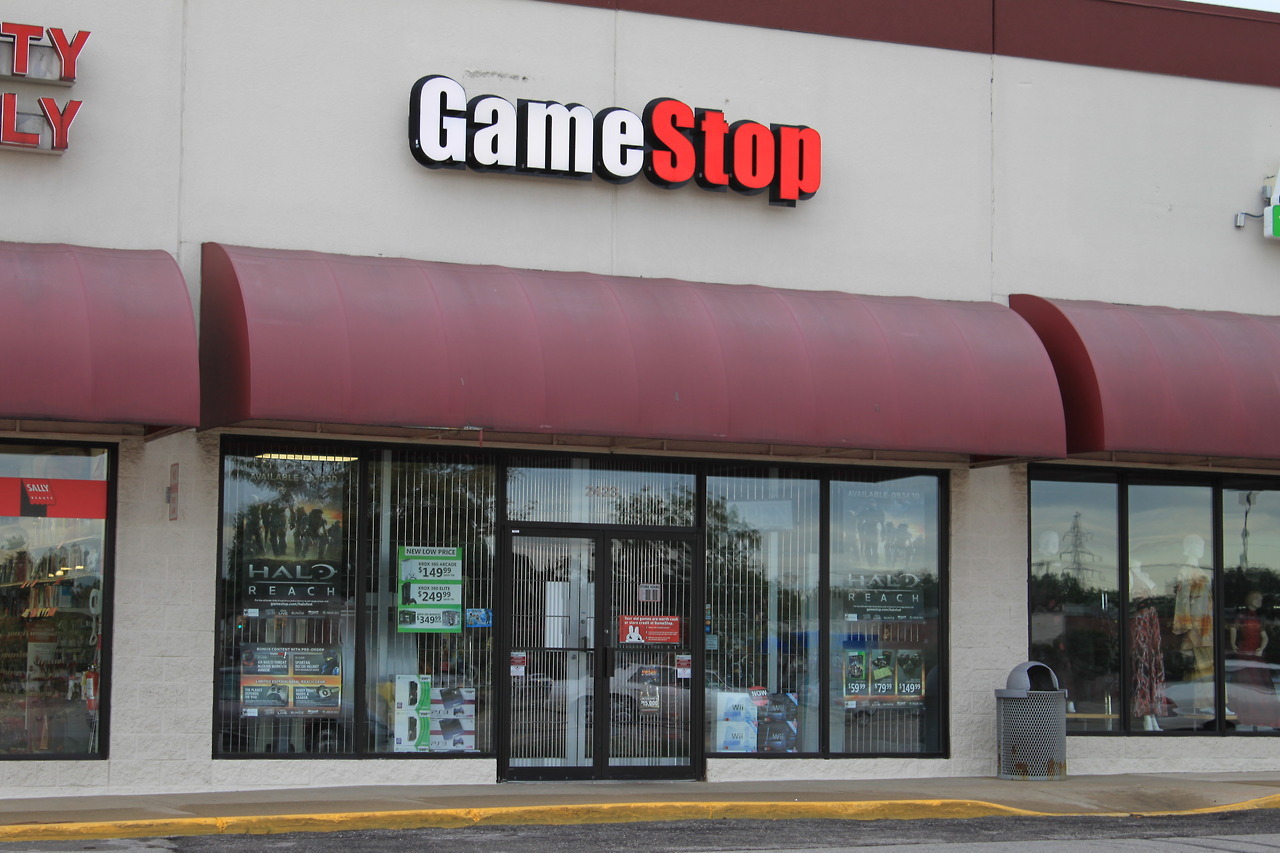
By: Ray Sermon
GameStop holiday sales fell 18.7% from the prior year according to the company’s March 23 release. Among long-time video game enthusiasts, surprise is elusive. The following Friday, stocks closed 16% down. GameStop also declared that it would close 2%-3% of its stores which equates to 150 to 225 stores.
Many columnists and video game commentators relish and salivate at the thought of the Grapevine, Texas-based retailer going the way of Blockbuster. In the revenue and profit areas, this appears to be true.
However, the company has certainly begun to act in diversifying. ThinkGeek, Spring Mobile, Kongregate, and Simply Mac are all under the umbrella of the GameStop brand. Last year with Oni-style submarine adventure Song of the Deep, GameStop’s debut into the world of producing the content that they have sold in retail for years.
I bought my copy online; not at a GameStop store.
With the exception of retro-gaming, unless you have been living under a rock for the past three decades, on-demand digital services won’t be reversed. Blockbuster lost to Netflix on the digital front and to RedBox on the kiosk front. (Remember Blockbuster Express? Me neither.)
When I look at the demise of Blockbuster and the current situation of
- GameStop, I see a few key differences.
- GameStop has no late fees
- GameStop is a retailer, not a rental service
- GameStop can trade games/give credit (something digital cannot do)
- GameStop can create “instant” trade instead of using a middleman (parcel service)
GameStop can’t yet be compared to a failing company because it has yet to fail. However, its outcome is likely more tied to one-of-two company fates: Best Buy or RadioShack.
Did anyone else get mildly depressed when you read “RadioShack”? Just me? Ok…
In the face of Amazon’s massive selection and the discount retailer that is Wal-Mart, Best Buy found a way to stay relevant. There were many articles that circled about Best Buy like vultures around road-kill, not quite dead enough yet. The retailer diversified, partnered with several major mobile brands (Apple, Samsung, Sprint, AT&T, Verizon…), and began to start price-matching options. It also invested heavily in its Geek Squad brand. The diversification is very not unlike what GameStop is currently pursuing. This time around, Amazon is now a Colossus with services like Prime and Wal-Mart is even more willing to take smaller profit margins to maintain brick-and-mortar dominance while increasing their own online usefulness.
On the other hand, RadioShack filed for Chapter 11 Bankruptcy in 2015, and again earlier this month on March 8th.
…but I did get some sweet electronic components half off.
GameStop is changing and trying to adjust to changing tastes. It may not be the GameStop we know now. It may not even have the same brand name or stock ticker, but the adjustments it is taking now could end up benefitting the retailer’s ugly reputation as it tries again to woo the next generation of video game enthusiasts. Like many of us who grew up going to Funco and EB games, the monster conglomerate grew up with us. Our tastes changed along with our needs. We don’t need GameStop for games anymore (and they’ve made it clear that GameStop didn’t need us sometimes) but maybe they can offer us other things that we need in our digital life. Maybe one day we’ll even go in, for old time’s sake, to look at the Xbox One retro games and find a Nintendo Switch that still works.
…Or GameStop will die in a fire… whichever.
I’ll be over here playing old Final Fantasy games on Steam.
This post, along with all of our content, is made possible by our patrons over at Patreon.com/retrowarriors.
Title image credit:
Dwight Burdette